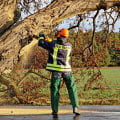
Tree felling is often viewed as a method for clearing space or removing hazardous trees, but it also plays a significant role in improving water flow and drainage around a property. Large trees with extensive root systems can disrupt natural water pathways, causing water to pool in certain areas or flow unevenly across the landscape. Over time, this can lead to soil erosion, waterlogging, and even damage to nearby structures. By carefully planning and executing tree felling, property owners can restore natural drainage patterns and create a more balanced outdoor environment that supports efficient water movement.
Strategic Tree Removal for Improved Drainage
Effective tree felling techniques begin with a strategic assessment of the landscape. Identifying trees that obstruct drainage channels or contribute to uneven water distribution is essential. Removing these trees allows water to flow more freely, reducing the risk of standing water and associated problems such as mold growth or foundation damage. In some cases, selective felling—rather than removing all vegetation—can provide the best results by preserving beneficial plants while eliminating those that hinder drainage. This approach ensures that the landscape remains functional while still maintaining ecological balance.
Managing Root Systems and Soil Conditions
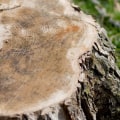
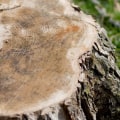
One of the most important aspects of tree felling is addressing the root systems that remain underground. Roots can compact soil and block water movement, making it difficult for rainwater to be absorbed properly. After felling a tree, techniques such as stump grinding or root removal help improve soil permeability and prevent future drainage issues. Additionally, incorporating organic mulch or soil amendments can enhance soil structure, allowing water to infiltrate more effectively. These practices not only improve drainage but also create a healthier environment for new vegetation to grow.
Coordinating Tree Felling with Landscape Maintenance
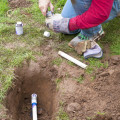
Tree felling is most effective when integrated into a broader landscape maintenance plan. This includes grading the land to direct water flow, installing drainage systems where necessary, and maintaining vegetation that supports soil stability. Property owners looking to optimize their outdoor spaces often seek additional guidance and may visit website resources to explore professional services and best practices. Coordinating tree removal with other maintenance activities ensures that all elements work together to promote efficient water management and prevent recurring issues.
Long-Term Benefits of Improved Water Flow and Drainage
The long-term benefits of using proper tree felling techniques extend beyond immediate drainage improvements. A well-managed landscape reduces the risk of water-related damage, lowers maintenance costs, and enhances the overall usability of outdoor spaces. Improved drainage also supports healthier plant growth by preventing water stress and root rot. Over time, these advantages contribute to increased property value and a more sustainable environment. By approaching tree felling as part of a comprehensive water management strategy, property owners can create landscapes that are both functional and resilient, ensuring reliable performance for years to come.