Removing large trees from residential properties is often far more complicated than homeowners initially expect, especially when those trees are located near driveways, sidewalks, patios, or walkways. While tree removal may seem like a straightforward process focused only on cutting down the trunk and clearing debris, there are many hidden challenges involved when mature trees have grown closely alongside outdoor surfaces for years. Large root systems, heavy equipment access, falling limb control, and underground structural impacts all become major considerations during the project. Tree removal professionals must carefully plan every stage of the process to avoid damaging nearby concrete, landscaping, drainage systems, or utility lines. In residential settings where space is limited, even small mistakes during removal can create costly repairs or long-term structural problems around the property.
Root Systems Often Continue Affecting Surfaces After Removal
One of the most overlooked challenges of removing large trees near driveways and walkways involves the underground root system. Mature trees often develop extensive roots beneath concrete surfaces, and those roots may already be contributing to cracking, lifting, or uneven pavement before the tree is removed. However, eliminating the tree does not automatically solve those problems. Once the tree is gone, decaying roots beneath the surface may create voids in the soil that lead to settling or sinking concrete over time. In some cases, removing major roots too aggressively can destabilize nearby pavement or alter drainage patterns around the property. Tree removal experts often work alongside contractors who specialize in surface repair and restoration because the condition of surrounding concrete frequently needs to be evaluated both before and after the project. Property owners may not realize that preserving the stability of nearby surfaces requires as much planning as the actual tree removal itself.
Heavy Equipment and Falling Debris Create Additional Risks
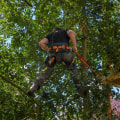
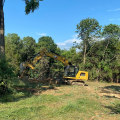
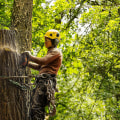
Another hidden challenge comes from the equipment and techniques required to safely remove large trees in confined residential spaces. Cranes, stump grinders, bucket trucks, and hauling equipment are often necessary to complete the job, but these machines can place substantial pressure on driveways and walkways. Older or already weakened concrete surfaces may crack further under heavy loads, especially if the soil beneath has been softened by root growth or drainage problems. Companies involved in exterior restoration, including Concrete Revival, are frequently called after tree removal projects to repair surface damage caused by shifting soil, equipment traffic, or falling debris. In addition, large branches and trunk sections must often be lowered carefully using ropes and rigging systems to prevent accidental impacts that could damage surrounding hardscapes. The closer the tree is to residential structures and paved areas, the more technical and labor-intensive the removal process becomes.
Drainage and Landscape Changes After Tree Removal
Large trees also play a major role in controlling moisture and stabilizing soil conditions around a property. Once a mature tree is removed, the surrounding environment can change significantly. The absence of the tree’s root system may alter how water drains across driveways and walkways, sometimes leading to new erosion or standing water issues. Increased sunlight exposure may dry certain areas more quickly, while the loss of root absorption can cause water accumulation in others. Homeowners sometimes focus only on the immediate removal without considering how the property will function afterward. Landscape grading, drainage adjustments, and surface repairs may all become necessary to restore long-term stability after a large tree is gone.
Long-Term Property Protection Requires Coordinated Planning
Successfully removing large trees near residential driveways and walkways requires more than cutting down the tree itself. It involves careful coordination between arborists, surface repair specialists, and property owners to minimize structural damage and preserve outdoor functionality. By planning for root management, equipment access, drainage changes, and surface restoration ahead of time, homeowners can better protect their investment while creating a safer and more stable outdoor environment for years to come.