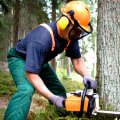
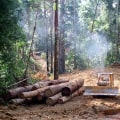
Trees provide numerous benefits to residential and commercial properties by offering shade, improving air quality, increasing privacy, and enhancing the overall appearance of the landscape. Healthy, well-maintained trees can significantly increase a property's visual appeal and environmental value. However, there are situations where removing a tree becomes the most responsible choice for protecting the property and ensuring long-term safety. Diseased, dying, storm-damaged, or structurally unstable trees may present significant risks to nearby homes, garages, driveways, utility lines, and outdoor living spaces. Tree felling, when performed by qualified professionals, is an important part of comprehensive property maintenance because it helps eliminate hazards before they result in costly damage or dangerous situations.
Identifying Trees That Pose Structural Risks
Not every tree requires removal, but regular inspections can reveal conditions that make tree felling the safest option. Large dead branches, extensive trunk decay, hollow sections, severe leaning, root instability, and advanced disease may significantly reduce a tree's structural strength. During strong winds or heavy storms, weakened trees are more likely to lose major limbs or collapse entirely, placing nearby buildings and occupants at risk. Removing hazardous trees before failure occurs protects roofs, fences, vehicles, patios, and other valuable structures from avoidable damage. In many cases, proactive tree removal is considerably less expensive than repairing structural damage after an emergency.
Protecting Buildings and Infrastructure
Trees growing too close to buildings can create ongoing maintenance concerns even when they appear healthy. Branches may repeatedly contact roofs, siding, gutters, or windows, gradually causing wear and creating opportunities for moisture intrusion. Root systems can also interfere with sidewalks, driveways, retaining walls, underground utilities, and drainage systems over time. When these issues cannot be resolved through pruning or other maintenance practices, tree felling may become the most practical solution for preserving the surrounding infrastructure. Companies such as Open Concept Engineering recognize that successful property planning often includes evaluating how landscaping and structural systems interact so that buildings and outdoor environments continue performing safely together over the long term.
Supporting Healthy Landscape Development
Removing selected trees can also improve the overall health of the landscape. Overcrowded trees compete for sunlight, nutrients, water, and growing space, which may weaken surrounding vegetation and reduce the vitality of the landscape as a whole. Strategic tree felling allows healthier trees to flourish by improving airflow, increasing sunlight penetration, and reducing competition for essential resources. It also creates opportunities for property owners to redesign outdoor spaces, improve drainage, expand usable yard areas, or introduce new landscaping that better complements the property's long-term needs. Responsible tree removal should always be part of a carefully considered landscape management strategy rather than simply clearing vegetation unnecessarily.
Reducing Long-Term Maintenance Costs
Hazardous trees often require repeated pruning, emergency cleanup, or ongoing monitoring before eventual removal becomes unavoidable. Addressing these issues proactively through planned tree felling can reduce long-term maintenance expenses while minimizing the likelihood of emergency situations. Removing unstable trees also decreases the risk of damage to roofs, fences, outdoor structures, vehicles, and utility lines, helping property owners avoid costly repairs following severe weather events. In addition, fewer problem trees often simplify routine maintenance tasks such as gutter cleaning, roof inspections, and exterior building upkeep by reducing falling branches, leaf accumulation, and moisture retention around structures.
Planning for a Safer and More Durable Property
Tree felling is an important component of long-term property maintenance when performed thoughtfully and for the right reasons. Rather than focusing solely on removing trees, responsible property management emphasizes maintaining a healthy balance between landscaping and structural protection. Identifying hazardous trees before they fail, preserving healthy vegetation, and planning future landscape improvements all contribute to safer, more resilient properties. By incorporating professional tree evaluations into a regular maintenance program, homeowners and property managers can protect valuable structures, reduce repair costs, and create outdoor environments that remain attractive, functional, and secure for many years. A proactive approach to tree management supports both the natural beauty of the landscape and the long-term integrity of the property as a whole.